
Achieving Optimal Indoor Air Quality - A Step Towards Healthier Living
The significance of indoor air quality, common indoor pollutants, and how the right filter types reduce particles, allergens, odors and gases.

The quality of the air we breathe indoors has a profound impact on our health, well-being, and overall quality of life. With the majority of our time spent indoors, ensuring optimal indoor air quality (IAQ) is essential. This article explores the significance of IAQ, the types of air pollutants that affect it, and how different filter types make a difference.
Understanding the significance of indoor air quality
Indoor air quality refers to the condition of the air inside buildings, including homes, offices, schools, and public spaces. The quality of the air we breathe indoors is influenced by outdoor pollution sources, indoor activities, building materials, and ventilation systems. Poor IAQ can lead to a range of health problems, such as allergies, asthma, respiratory infections, and even more severe long-term effects. It is crucial to proactively address IAQ concerns to create healthier living and working environments.
Identifying common indoor air pollutants
Numerous pollutants can contribute to poor indoor air quality. Understanding and addressing them is key to improving IAQ:
Particulate matter. Tiny solid or liquid particles suspended in the air, such as dust, pollen, pet dander, and mold spores. Inhalation of these particles can trigger allergies, asthma attacks, and other respiratory issues.
Volatile organic compounds (VOCs). Chemicals emitted as gases from various products and materials, including paints, cleaning supplies, adhesives, and furniture. Prolonged exposure to VOCs can cause eye, nose, and throat irritation, headaches, and even impact organ systems.
Biological contaminants. Bacteria, viruses, mold, and other microorganisms. They can proliferate in damp environments, leading to respiratory infections, allergies, and other health issues.
Odors and gases. Unpleasant odors and gases from sources like cooking, tobacco smoke, and building materials can significantly impact indoor air quality and overall comfort.
Improving IAQ with the right filter types
A comprehensive range of air filters can capture and remove these pollutants. The main filter families and their contributions:
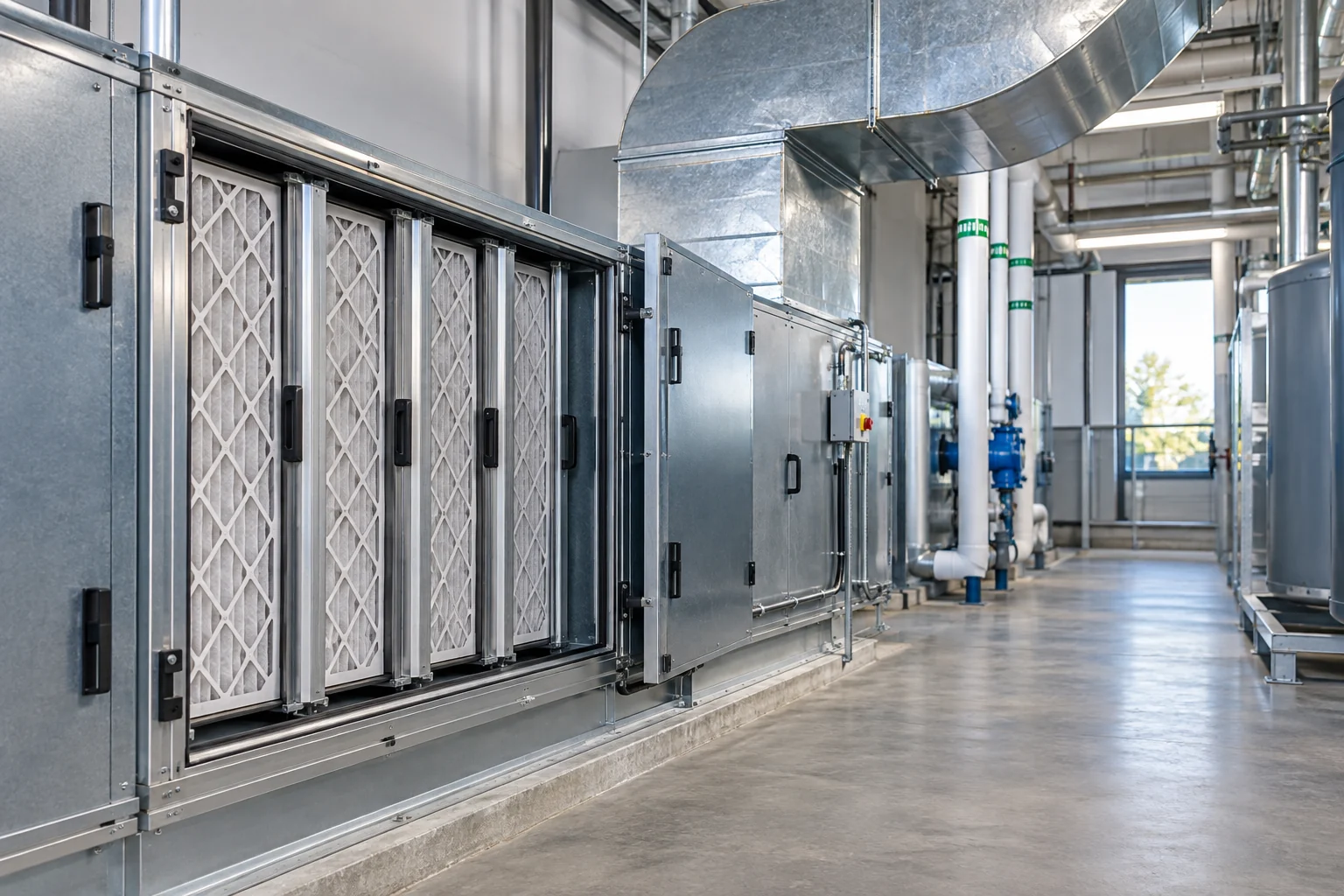
Panel filters capture and remove larger airborne particles, including dust, pollen, and pet dander. Often used in heating, ventilation, and air conditioning (HVAC) systems, they ensure cleaner air by reducing the presence of these particles.
Bag filters, with their larger surface area and increased particle-holding capacity, are effective at capturing finer particulate matter. They trap dust, allergens, and other contaminants, enhancing IAQ and providing relief to those with respiratory conditions or allergies.
Activated carbon filters are highly efficient at removing odors, VOCs, and harmful gases from the air. Activated carbon, with its porous structure, chemically absorbs and traps these pollutants, helping to create a fresher and healthier indoor environment.
Conclusion
Prioritizing optimal indoor air quality is crucial for maintaining a healthy and comfortable living or working environment. By incorporating suitable filters into HVAC systems or standalone air purification units, you can significantly reduce the presence of pollutants, allergens, and odors, improving the overall IAQ. Take a proactive step towards a healthier lifestyle by breathing cleaner, fresher air every day.
> Migrated from the legacy indoor air quality article. Brand-specific references from the source were removed; the factual content about pollutants and filter types is unchanged.


Insights
Need technical guidance?
Contact FiltriQ to discuss the right filtration approach for your application.