
The Role of Filters in HVAC Systems and Their Impact on Human Health
Prefilters, bag filters and HEPA filters in HVAC systems: how they protect health, extend system lifespan, and why regular replacement matters.
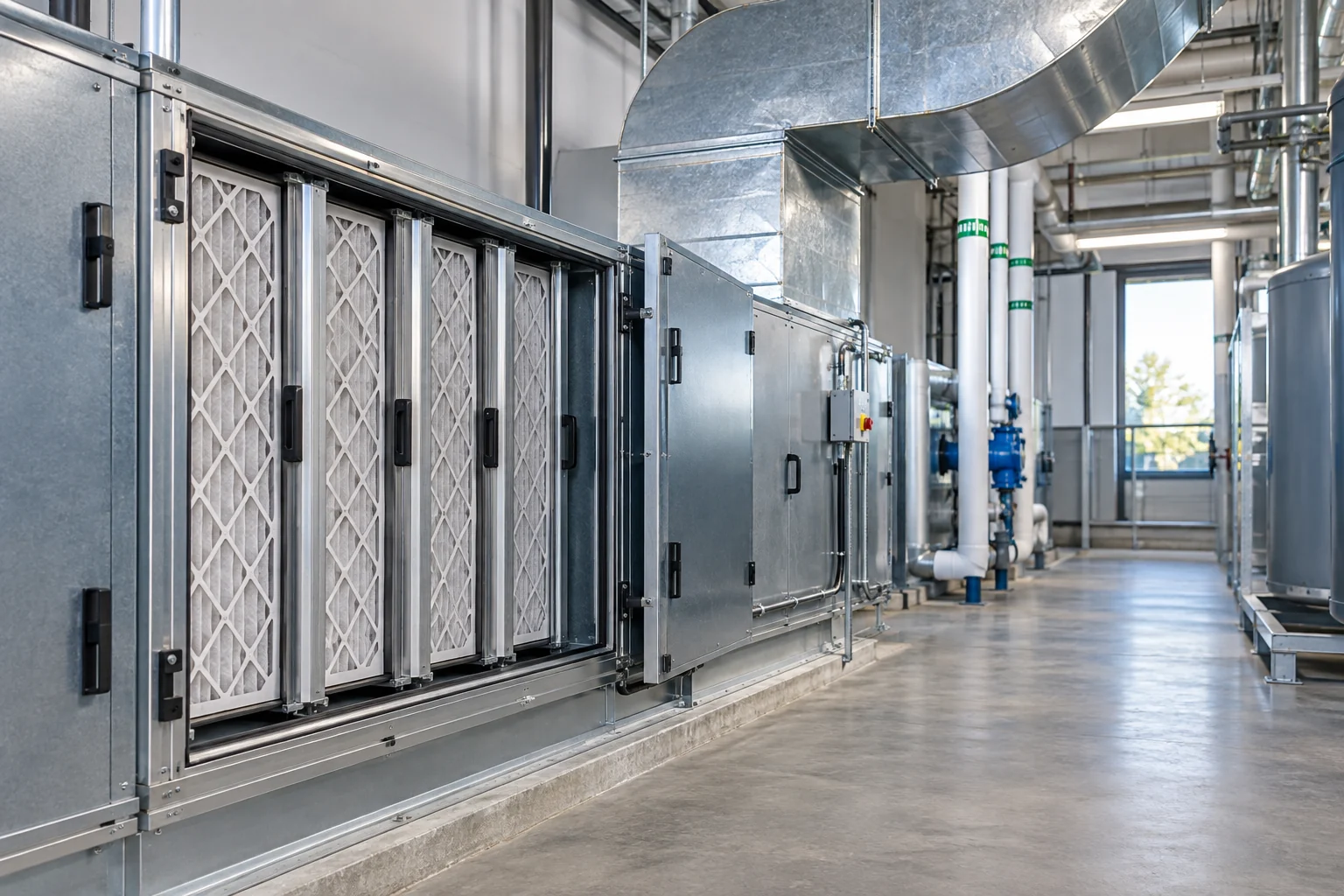
HVAC (heating, ventilation, and air conditioning) systems are an essential part of modern life. They play a significant role in providing a comfortable indoor climate and ensuring energy efficiency. Regular maintenance is crucial for HVAC systems to function efficiently and have a prolonged lifespan. This article focuses on the various types of filters used in HVAC systems, their significance, and how the use of filters can extend the lifespan of HEPA filters.
The role of prefilters
Prefilters are responsible for capturing larger particles and contaminants from the air entering the HVAC system before it reaches finer filters. This ensures that system components remain clean, enabling the system to operate efficiently. Their large surface area and effective particle capture capacity are fundamental steps in enhancing the performance of an HVAC system.
Dirty and clogged prefilters can obstruct the airflow, leading to a decrease in system performance. Regular cleaning of prefilters is necessary to ensure the longevity and energy efficiency of the system.
The power of bag filters
Bag filters are an effective method for capturing and containing airborne particles. They clean the air entering the HVAC system and contribute to protecting system components. Their wide surface area and efficient particle capture capacity are indicative of their performance.
Regular replacement of bag filters is essential: dirty filters impede airflow and reduce system efficiency. Filters should be replaced at specified intervals.
The power of HEPA filters
HEPA (high efficiency particulate air) filters are highly effective in capturing microscopic particles, such as dust, pollen, microorganisms, and even viruses. This feature enhances indoor air quality and helps protect health.
Regular replacement of HEPA filters is crucial. Unclean or clogged HEPA filters restrict airflow and diminish their effectiveness, so they need to be replaced at regular intervals.
Extending HVAC system lifespan
The role of prefilters in extending the lifespan of HEPA filters is of great importance. Prefilters capture larger particles, allowing finer filters to trap smaller particles. This reduces the load on HEPA filters, enabling them to function effectively for a longer period. Regular replacement and the use of prefilters can therefore extend the overall lifespan of the HVAC system.
The importance of filter replacement
Clean and healthy indoor air enhances comfort and reduces the risk of respiratory diseases. Regular replacement improves the performance and efficiency of the HVAC system, leading to lower energy costs.
Impact of HVAC maintenance on human health
Properly functioning HVAC systems have significant effects on human health. The system circulates and purifies indoor air, so the cleanliness and effectiveness of its filters play a pivotal role in determining indoor air quality. Breathing clean air reduces the risk of respiratory diseases and allergies. Neglected systems can spread dust, pollen, and other allergens indoors, posing risks for people with asthma and allergies. HVAC systems can also influence the spread of microorganisms, so regular filter replacement is crucial to prevent the spread of bacteria, viruses, or fungi; during periods of disease outbreaks, filter efficiency becomes even more critical.
Good indoor climate and air quality can enhance sleep quality, and more efficient systems consume less energy, reducing environmental impact.
In conclusion, regular maintenance of HVAC systems and the use of quality filters improve indoor air quality and contribute to the prolonged lifespan of the system. Prefilters, bag filters, and HEPA filters play critical roles in achieving this, while well-functioning systems reduce the risks of respiratory diseases and allergies and enhance energy efficiency, comfort, and overall quality of life.



Insights
Need technical guidance?
Contact FiltriQ to discuss the right filtration approach for your application.